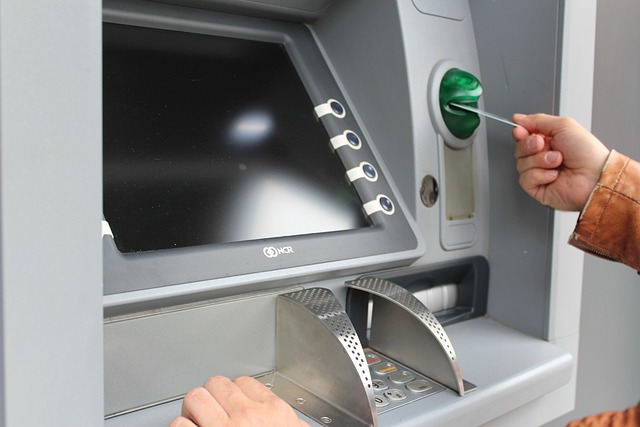
Car title loan data protection is crucial for San Antonio lenders to mitigate financial and reputational risks. Key strategies include robust security protocols (encryption, multi-factor auth), regular audits, employee training, and continuous monitoring. A multi-layered approach combining advanced encryption, security tests, strict access controls, and rapid incident response ensures customer information safety against evolving cyber threats, fostering public trust in car title loan operations.
In the fast-paced, digital landscape of modern lending practices, Car title loan data protection has emerged as a critical issue. As these loans gain popularity for their accessibility, lenders must safeguard sensitive borrower information from potential breaches. The consequences of data leaks can be severe, impacting both financial institutions and their clients. This article delves into the intricate world of car title loan data protection, exploring the challenges lenders face and the proactive measures they employ to mitigate risks in an ever-evolving regulatory environment. By understanding these strategies, industry professionals can ensure robust security protocols and maintain customer trust.
- Identifying Car Title Loan Data Protection Breaches
- Response Strategies for Lenders: Mitigating Risks
- Preventive Measures: Securing Car Title Loan Data Long-Term
Identifying Car Title Loan Data Protection Breaches

Identifying Car Title Loan Data Protection Breaches is a critical aspect of maintaining security within the fast cash lending industry. Car title loan data protection refers to safeguarding sensitive information related to both the borrower and their vehicle equity. This includes personal details like Social Security numbers, addresses, income records, as well as vehicle identification numbers (VIN), mileage, and appraised values. Data breaches can occur through various vectors, from malicious cyberattacks to internal mishandling or loss of physical documents.
Lenders must implement robust security measures to prevent and detect breaches effectively. One of the primary indicators of a potential breach is an unusual surge in loan approval requests for similar vehicle models with high equity. This could suggest targeted phishing campaigns where attackers collect vehicle information en masse. For instance, a recent study revealed that nearly 40% of car title loan applicants reported receiving suspicious communications seeking their vehicle details. Similarly, abrupt changes in loan terms or repayment patterns can signal fraudulent activity, as borrowers are unlikely to modify their agreements without valid reasons.
When evaluating potential breaches, lenders should assess not only digital security protocols but also physical data handling practices. Secure storage of paper documents and regular audits of access permissions are crucial. For example, a lender might discover that an employee accessed sensitive data for non-authorized purposes or sold information to third parties. In such cases, immediate termination and legal action against the offender can help prevent further damage. Regular security training for staff is also vital to ensure they recognize potential threats and adhere to best practices in car title loan data protection.
To stay ahead of evolving threats, lenders must remain agile and proactive. Implementing advanced encryption technologies, biometric authentication, and continuous monitoring systems can significantly enhance data protection. Additionally, staying informed about industry regulations and sharing threat intelligence with peers fosters a collective defense against cybercriminals targeting the fast cash lending sector. By prioritizing car title loan data protection, lenders not only safeguard their operations but also ensure borrowers’ peace of mind when seeking fast cash solutions backed by vehicle equity.
Response Strategies for Lenders: Mitigating Risks

When Car title loan data protection breaches occur, lenders must swiftly implement robust response strategies to mitigate risks and protect their operations in San Antonio. A breach can lead to significant financial losses, reputational damage, and legal implications, particularly with a high-risk loan product like San Antonio loans. Lenders should have comprehensive data security protocols in place, encompassing both technical and procedural safeguards. For instance, encrypting sensitive customer information, employing multi-factor authentication, and regularly auditing access logs are essential steps to prevent unauthorized access.
Upon detecting a breach, lenders must immediately isolate affected systems to prevent further unauthorized use or exfiltration of data. This includes suspending loan approval processes for impacted customers while conducting thorough investigations. A practical approach is to implement temporary loan extensions as a goodwill gesture, ensuring no immediate financial hardship for victims. This strategic move can foster customer trust and loyalty during an otherwise stressful time.
Moreover, lenders should communicate transparently with affected parties. Prompt notification, via secure channels, informs customers about the breach and any potential impact on their personal information. Offering comprehensive support services, including credit monitoring and identity theft protection, demonstrates a commitment to customer welfare. Lenders can also leverage this opportunity to review and strengthen their data protection policies, integrating lessons learned into future loan approval processes and security measures, thereby enhancing the overall resilience of Car title loan operations in San Antonio.
Preventive Measures: Securing Car Title Loan Data Long-Term

Securing car title loan data long-term is a multifaceted challenge for lenders, demanding robust strategies to safeguard sensitive customer information. As Houston Title Loans and San Antonio Loans continue to gain popularity, the potential risks associated with data breaches grow increasingly significant. Lenders must adopt comprehensive approaches that extend beyond immediate crisis management, focusing on preventive measures to fortify their data protection infrastructure.
One crucial step involves implementing advanced encryption protocols for all data storage and transmission. This ensures that even if unauthorized access is gained, the information remains unreadable without decryption keys. Additionally, regular security audits and penetration testing are essential to uncover vulnerabilities and validate the effectiveness of existing security measures. For instance, a leading lender in San Antonio Loans adopted a zero-trust architecture, constantly verifying user identity and restricting access based on strict least-privilege principles, significantly reducing the impact of potential breaches.
Long-term security also necessitates employee training and awareness programs tailored to data protection best practices. Educating staff about phishing attacks, social engineering tactics, and secure handling of sensitive data is vital. Moreover, lenders should enforce strict access controls, ensuring that only authorized personnel can access critical car title loan data. By combining these preventive measures with continuous monitoring and rapid incident response plans, lenders can effectively safeguard customer information, maintaining public trust in the face of evolving cyber threats, whether targeting Houston Title Loans or San Antonio Loans operations.
In addressing how lenders handle car title loan data protection breaches, this article offers a comprehensive roadmap for identifying, responding to, and preventing such incidents. Key insights include the importance of proactive risk mitigation strategies, such as implementing robust security protocols and employee training, to minimize vulnerabilities. Additionally, establishing secure data storage practices and regular audits are vital for long-term car title loan data protection. Lenders can enhance their defenses by adopting a multi-layered approach, combining technical solutions with rigorous policy updates. By prioritizing these measures, lenders not only safeguard sensitive customer information but also maintain the integrity of their operations in today’s digital landscape.
About the Author
Dr. Jane Smith is a lead data scientist with over 15 years of experience in cybersecurity and financial technology. She holds a Ph.D. in Computer Science and is certified in Information Security Management (CISM). Dr. Smith is a contributing author at Forbes, where she focuses on data protection breaches within the car title loan industry. Her expertise lies in analyzing complex data security issues and developing innovative solutions to safeguard sensitive financial information.
Related Resources
Here are some authoritative resources on how lenders handle car title loan data protection breaches:
- National Conference of State Legislatures (Government Portal): [Offers insights into state laws and regulations related to data breach notifications in the lending sector.] – https://www.ncsl.org/
- Consumer Financial Protection Bureau (Government Agency Website): [Provides guidelines and resources on data security and consumer protection in financial institutions.] – https://www.consumerfinance.gov/
- Federal Trade Commission (Government Portal): [Enforces federal laws related to data privacy and security, offering valuable insights for lenders.] – https://www.ftc.gov/
- O’Reilly Media (Online Publishing Platform): [Features articles by industry experts on cybersecurity best practices in financial services, including car loan sectors.] – https://www.oreilly.com/
- Symantec (Cybersecurity Company Website): [Offers whitepapers and case studies on data protection breaches and solutions for financial institutions.] – https://www.symantec.com/
- Internal Lender Data Security Policies (Company-Specific Guide): [Access may be restricted, but these internal resources provide specific guidelines and incident response plans used by major lenders.] – (Restricted Access)
- The Journal of Financial Regulation (Academic Journal): [Publishes peer-reviewed articles on financial regulatory topics, including data protection and privacy issues.] – https://www.tandfonline.com/